

- Home
- Concrete Polishing
- Grind & Seal vs. Polished
Grind & Seal vs. Polished Concrete
Both give you the look of real concrete, not a coating. The difference is where the shine comes from, what it costs today, and what it costs to keep. Here is the honest side-by-side from a crew that installs both across Chicagoland.
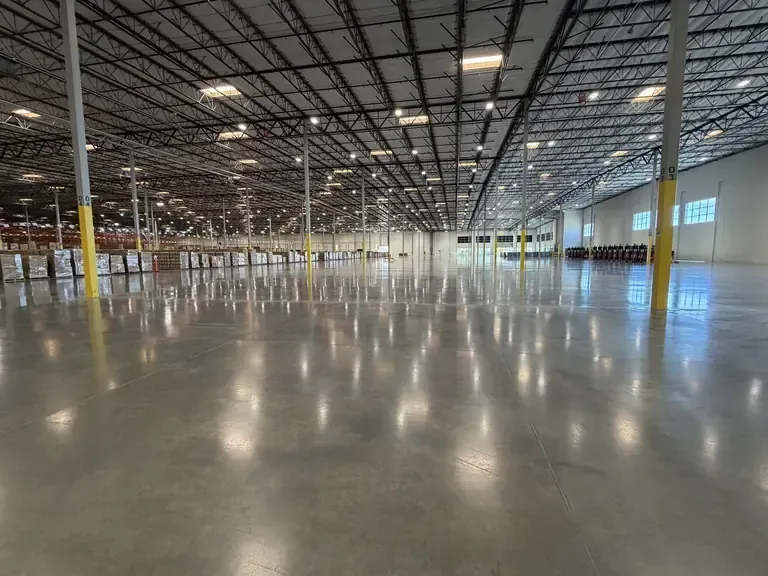
The short answer
One is a sealer on concrete. One is concrete, refined.
Grind & seal
The budget-smart concrete look
- Lower upfront cost and a faster install
- Shine comes from a clear sealer film
- Reseal periodically as traffic lanes wear
- Great for basements, garages, porches, and rentals
Polished concrete
The floor you never recoat
- Lowest long-term upkeep of any floor we install
- Shine comes from the concrete itself , densified and polished
- Nothing to peel, whiten, or strip; breathable over damp slabs
- Built for warehouses, retail, showrooms, and modern homes
Head to head
Grind and seal vs. polished concrete, row by row.
Including the rows where grind and seal wins. Exact pricing always comes from a free on-site estimate, because slab condition drives the work.
| Grind & seal | Polished concrete | |
|---|---|---|
| What it is | Concrete ground with diamonds to clean it up or expose aggregate, then finished with a clear topical sealer. | Concrete ground and refined through progressively finer diamonds, hardened with a penetrating densifier, and polished to a sheen. |
| Where the shine comes from | The sealer film on top of the slab. | The concrete surface itself. There is no film on top. |
| Upfront cost | Lower. Fewer grinding steps and faster installs. | Higher. More passes, more diamonds, more labor. |
| Install time | Usually faster, plus sealer cure time before heavy use. | More grinding passes, but no coating to cure. Often in service as soon as we finish. |
| Long-term upkeep | Sealer wears in traffic lanes and needs periodic cleaning and resealing. How often depends on the sealer and traffic. | Lowest. Dust mop and neutral cleaner. Traffic lanes are re-burnished every few years. No recoat. |
| Scratches & wear | The film can scratch, scuff, and dull where people walk and drive. | Hardened surface resists abrasion. Wear is restored by polishing, not stripping. |
| Moisture from below | Film-forming sealers can whiten or lift if the slab pushes moisture vapor. | Breathable. Vapor passes through with nothing to lift. |
| Slip resistance | High-gloss sealers can be slick when wet; anti-slip additive is available. | Refined, not coated slick. Lower sheen levels for wet-prone areas. |
| The look | Wet-look gloss to satin, depending on the sealer. Aggregate exposure as you choose. | Natural stone look from satin to mirror. Aggregate exposure as you choose. |
| Best for | Basements, garages, porches, rentals, and budget refreshes where you want the concrete look now. | Warehouses, retail, showrooms, offices, and modern homes that want the longest-lasting, lowest-upkeep floor. |
Choose your look
How much stone do you want to see?
Both finishes start by grinding, so you choose the aggregate exposure either way. We use the Concrete Polishing Council’s exposure classes, the same language architects specify from. What your slab can reveal depends on how it was poured; we check on site.
Very little stone shows. The cleanest, most uniform look.
Fine sand and small aggregate speckle through. The most popular choice.
Medium stones exposed across the floor for a terrazzo-like character.
Large stones fully exposed. A bold, natural-stone floor.
How each is made
Same first step. Very different finish.
Grind & seal
- Assess Hardness, moisture, cracks, and old coatings.
- Grind Diamonds remove the worn surface and set your exposure.
- Repair Fill cracks and pits so the sealer lays down evenly.
- Seal Clear sealer in your chosen sheen, with anti-slip where needed.
Polished concrete
- Assess The slab decides which sheen and exposure it can honestly deliver.
- Grind Metal-bond diamonds cut to your exposure class.
- Densify A penetrating densifier hardens the wear surface from within.
- Polish Finer resin-bond diamonds take it to satin, polished, or mirror.
- Guard A breathable stain guard and a high-speed burnish.
Which is right for you?
Four questions. One recommendation.
Answer honestly and we will point you the right way. Then we confirm it on site, because the slab always gets a vote.
Our recommendation
Care
What upkeep really looks like.
Grind & seal
Dust mop and damp mop with a neutral cleaner. Keep grit off with entry mats. As the sealer dulls in traffic lanes, we clean and reseal those areas. Avoid harsh chemicals that soften sealers.
Polished concrete
Dust mop or auto-scrub daily, damp mop weekly with a neutral cleaner, and wipe acidic spills promptly. Every few years, a professional re-burnish restores gloss in traffic lanes. Never wax, strip, or recoat.
Want color instead?
If you want a specific color, a decorative flake, or to fully hide a rough or patched slab, a coating is the better tool. See epoxy floor coatings and the flake color catalog.
Questions
Grind & seal vs. polished FAQs.
Still deciding? Call or text (224) 321-2395 and talk to the people who will actually do the work.
Is grind and seal the same as polished concrete?
No. Both start with diamond grinding, but grind and seal gets its shine from a clear sealer film on top, while polished concrete gets its shine from the concrete itself after many progressively finer grinding passes and a densifier.
Is grind and seal cheaper than polished concrete?
Usually, yes, upfront. Grind and seal takes fewer grinding steps. Over the long run, polished concrete often costs less to own because there is no sealer to strip and reapply. We price both at your free estimate.
How long does a grind and seal floor last?
The ground concrete lasts as long as the slab. The sealer film is what wears, and how quickly depends on the sealer type and traffic. Plan on periodic cleaning and resealing in traffic lanes.
Which is better for a basement?
Both work. Grind and seal is the budget-friendly way to get the concrete look. If your slab shows moisture, a breathable polished floor avoids sealer whitening or lifting. We test the slab before recommending either.
Which is better for a warehouse or retail floor?
Polished concrete. Its hardened surface stands up to forklifts and heavy foot traffic, reflects light, and needs no recoating, which matters on large commercial floors.
Can you choose how much aggregate shows?
Yes, with either finish. We follow the Concrete Polishing Council exposure classes: Class A cream, Class B salt and pepper, Class C medium aggregate, and Class D large aggregate. What a slab can reveal depends on how it was poured, which we check on site.
Sources
Aggregate exposure classes follow the Concrete Polishing Council (ASCC) aggregate exposure chart. Upkeep and performance notes reflect Fine Services’ installation experience; your free estimate gives you real numbers for your slab.
Related
Keep exploring.
Grind and seal
Grind and seal or polished concrete: the short answer
Grind and seal concrete costs less up front: we grind the slab to open the surface, then seal it with a clear coat for shine and stain protection. Polished concrete costs more, but the shine comes from the concrete itself, so there is no sealer to wear through.
For basements, garages, porches and rentals, grind and seal is usually the budget-smart choice. For warehouses, retail floors and high-traffic commercial spaces, polished concrete usually wins on long-term upkeep.
We install both across Chicago and the suburbs, and we will give you one price for each after a free on-site assessment.
Grind & seal or polished? We will price both.
Free on-site slab assessment and one clear, upfront price for each option.