

- Home
- Residential Epoxy Flooring
- Damp & Older Basements
Can You Epoxy a Damp or Older Basement Floor?
Usually yes, once the slab is checked. Moisture-tested, ground and sealed basement floors for Chicago homes, from bungalow basements to brick cellars.
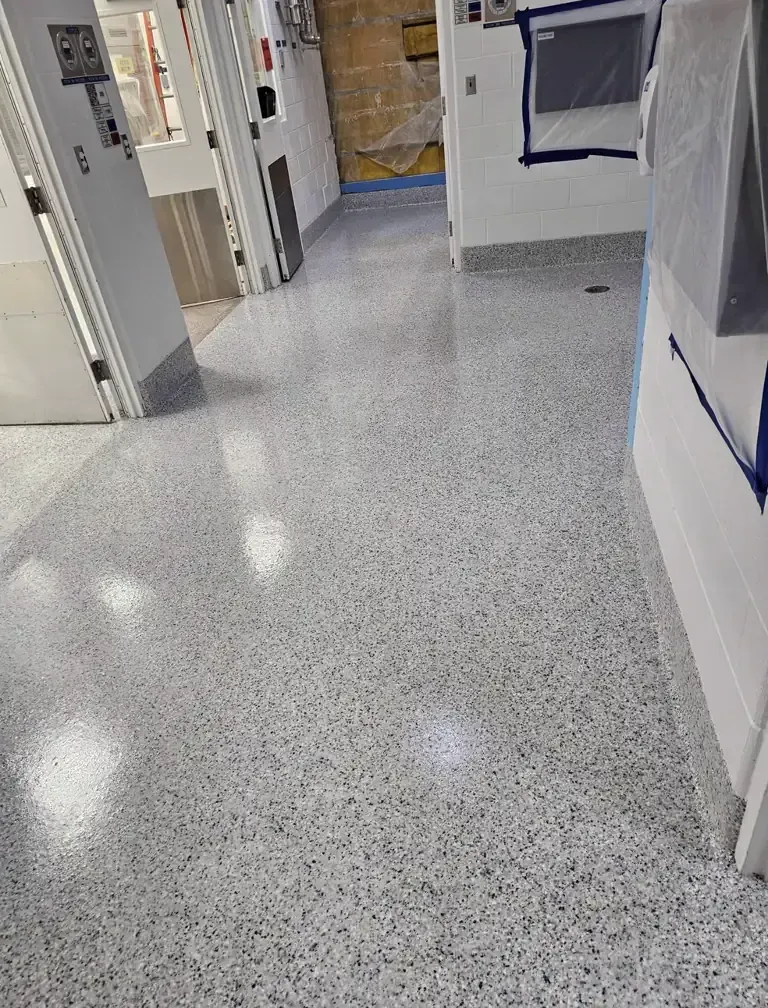
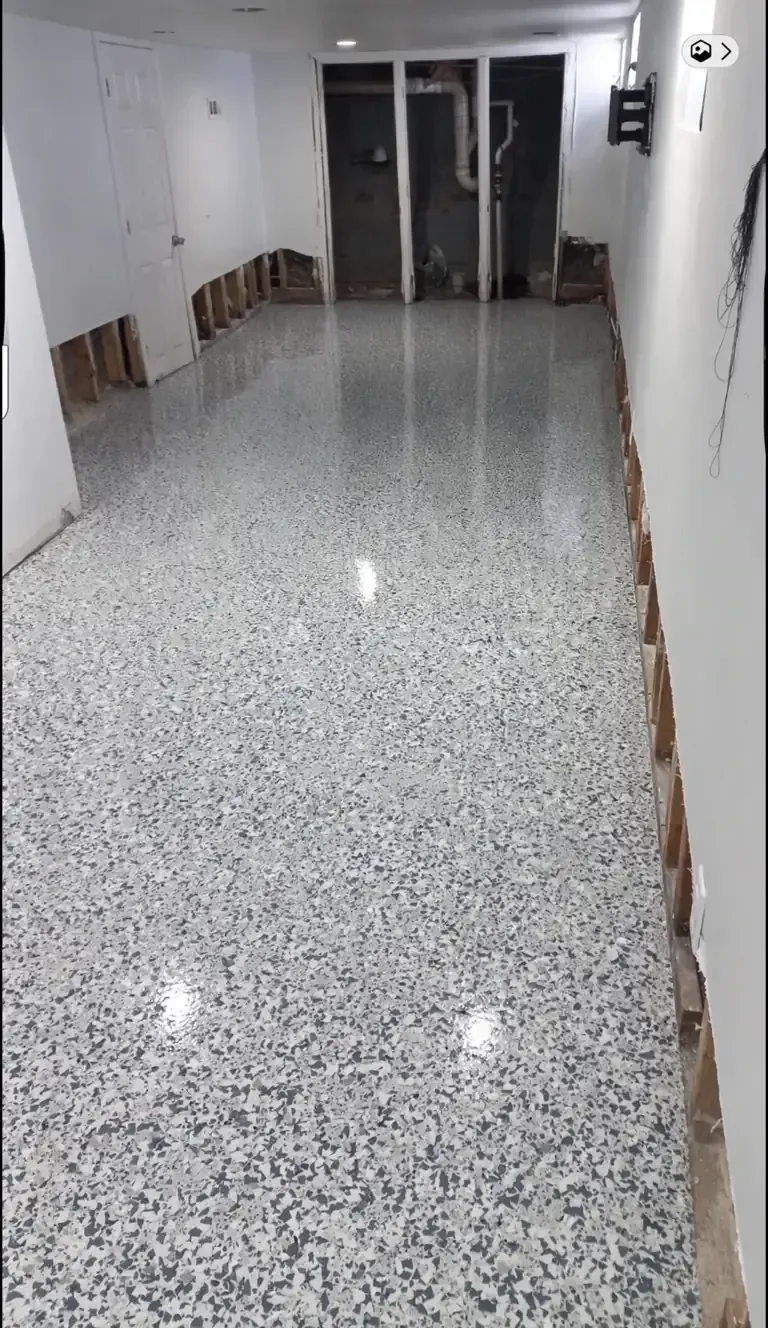
Moisture first
Basements that stay dry underfoot.
Much of the region’s housing stock, especially bungalow-belt homes built before modern waterproofing standards, has basements with minimal moisture protection. Add Chicago summer humidity that regularly climbs past 70%, and bare concrete floors sweat and smell musty even without a visible leak.
We check every basement slab for moisture before we recommend a system, address any active water first, then grind, repair and seal it.
For finishes and the rest of the house, see basement epoxy flooring on our residential page.
Basements
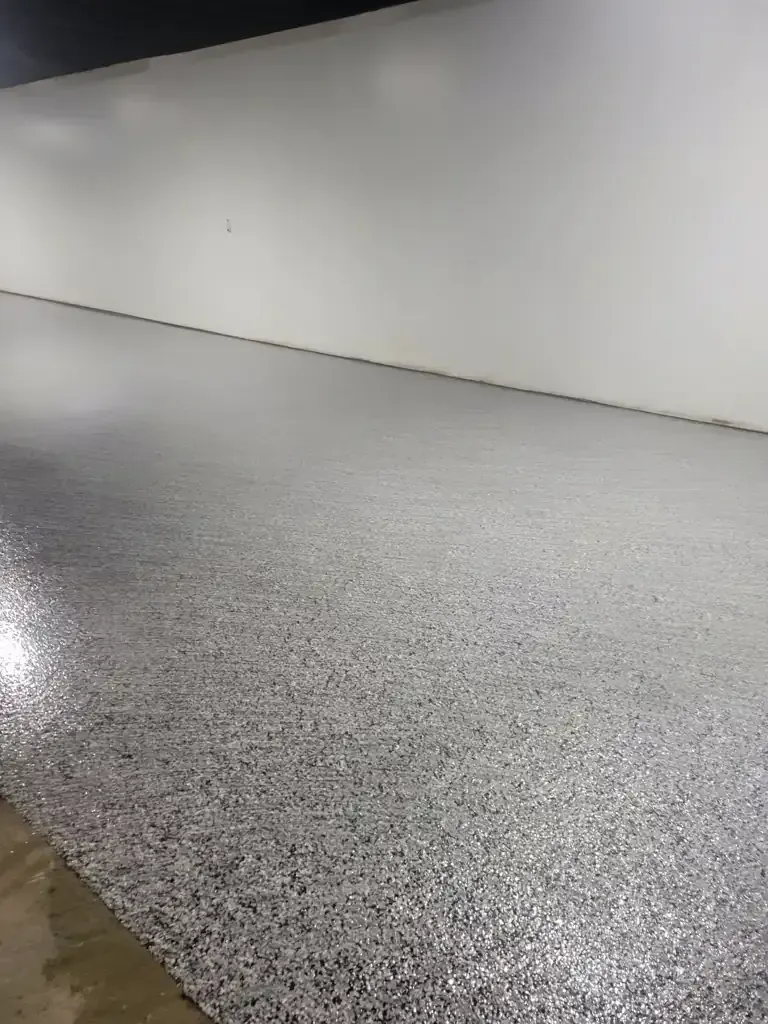
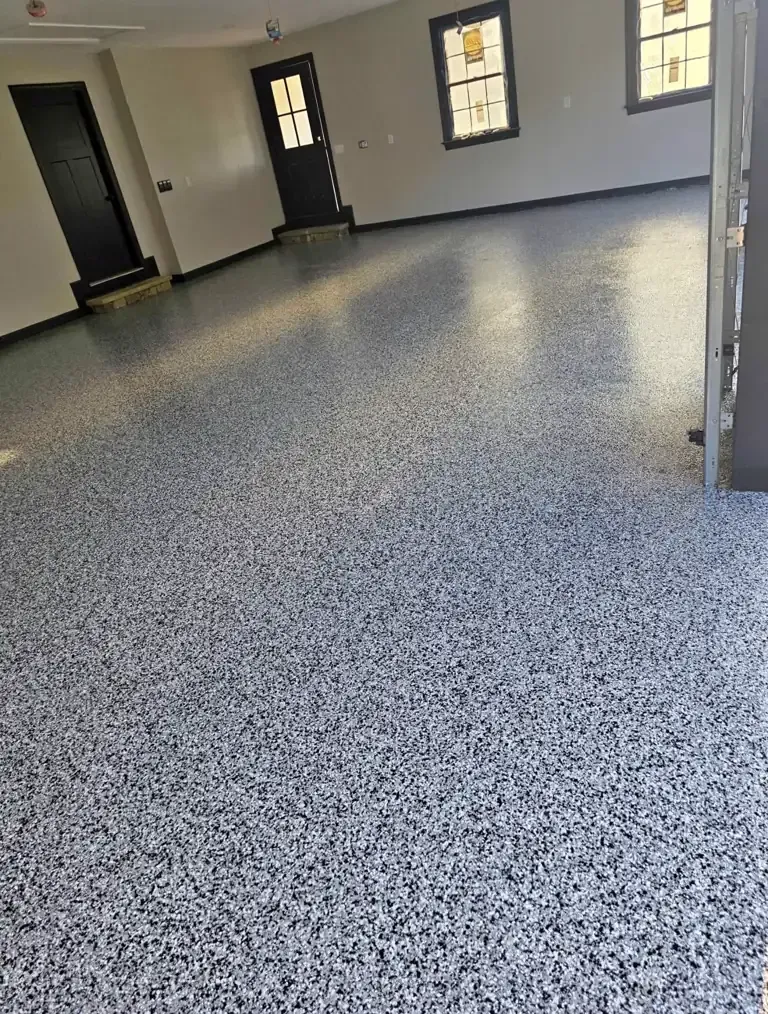
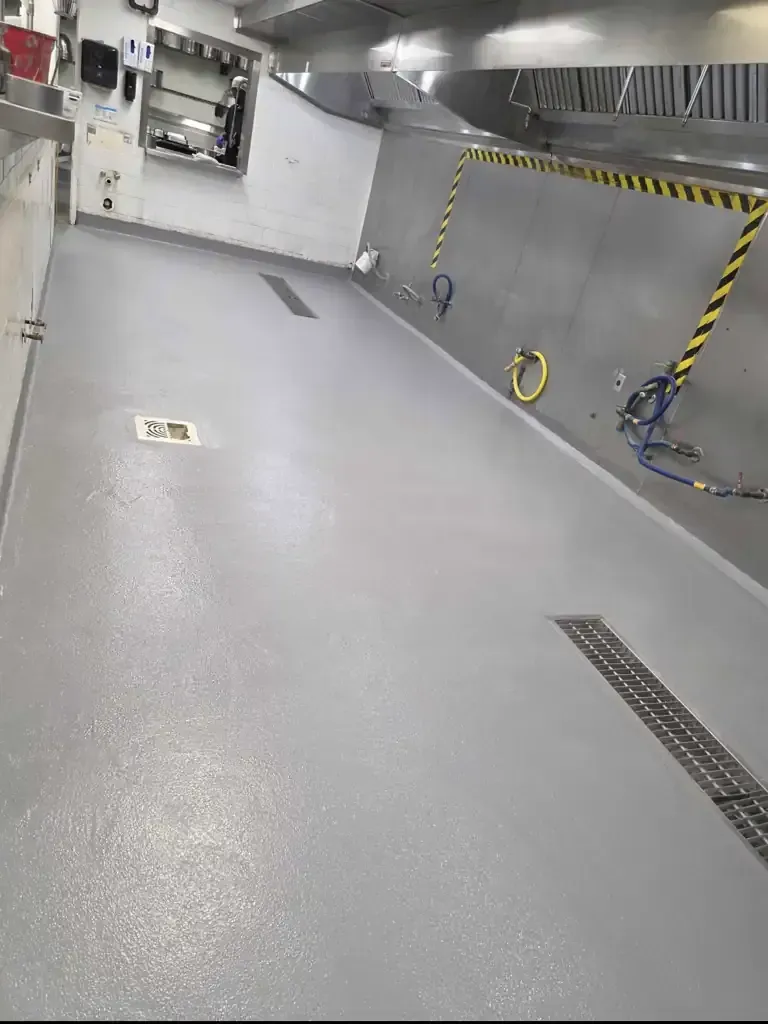
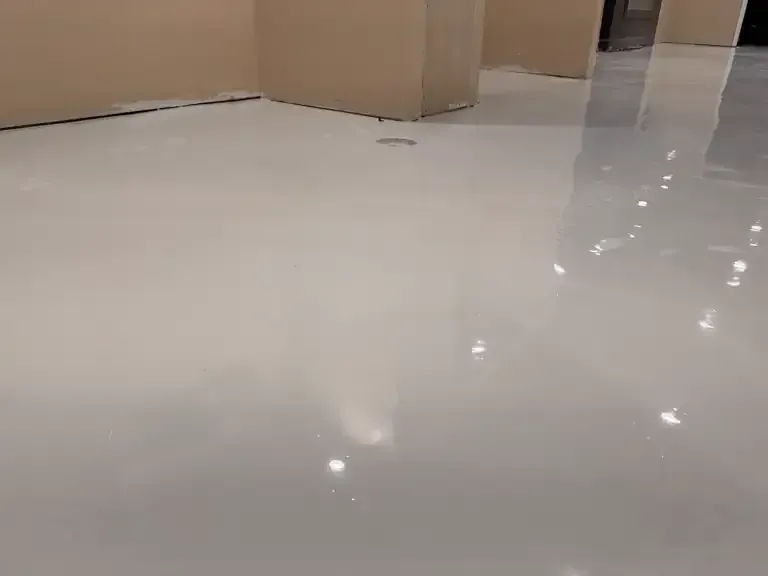
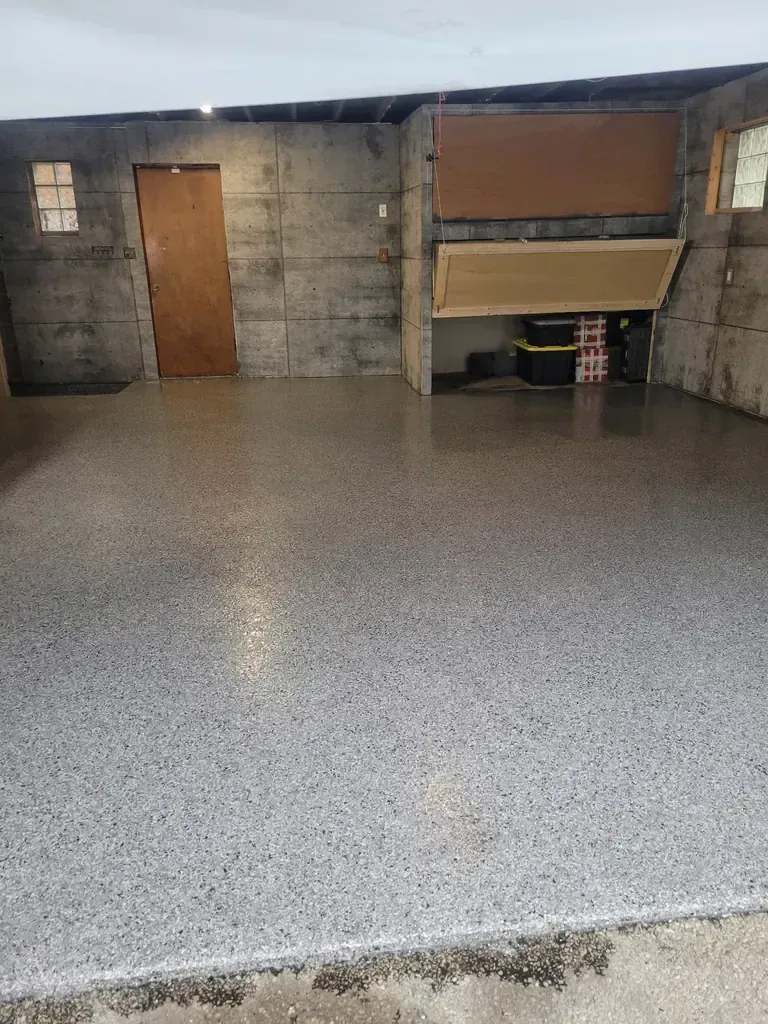
Recent basements.
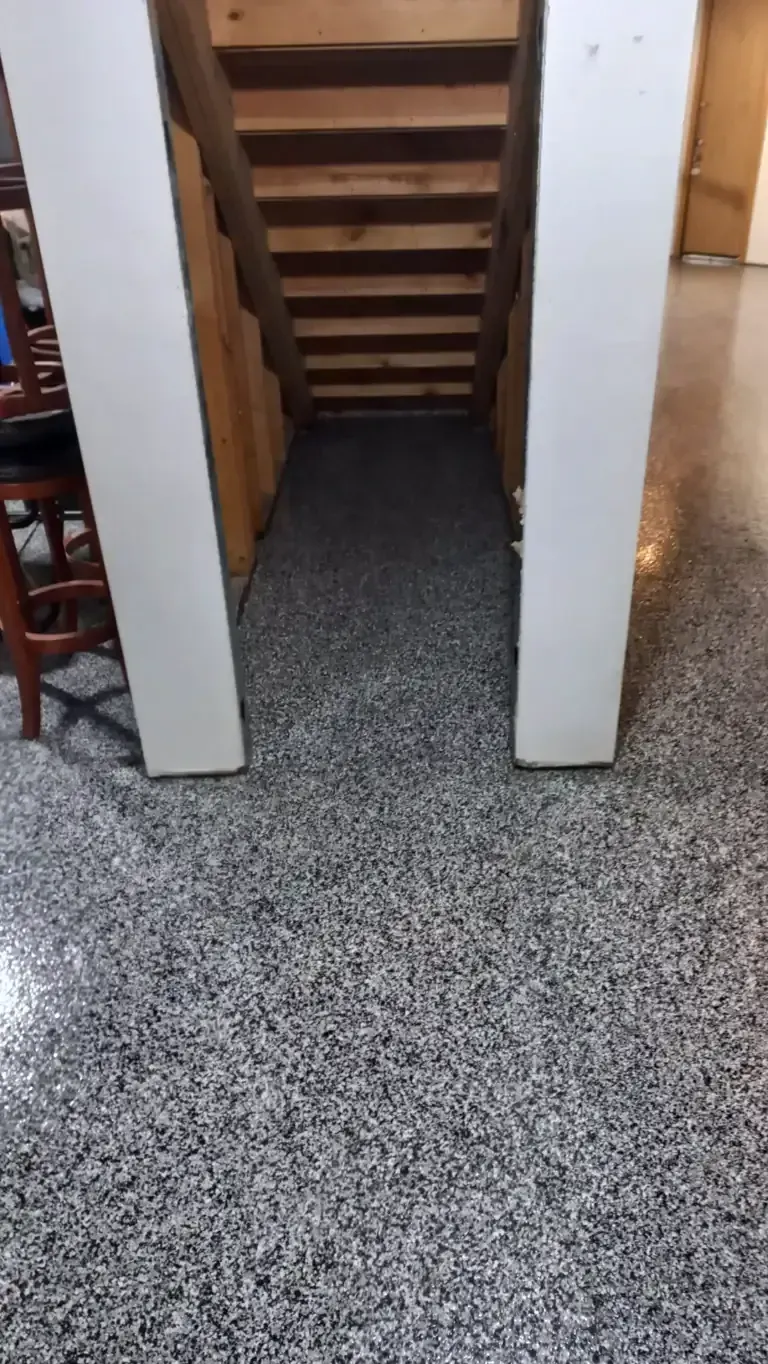
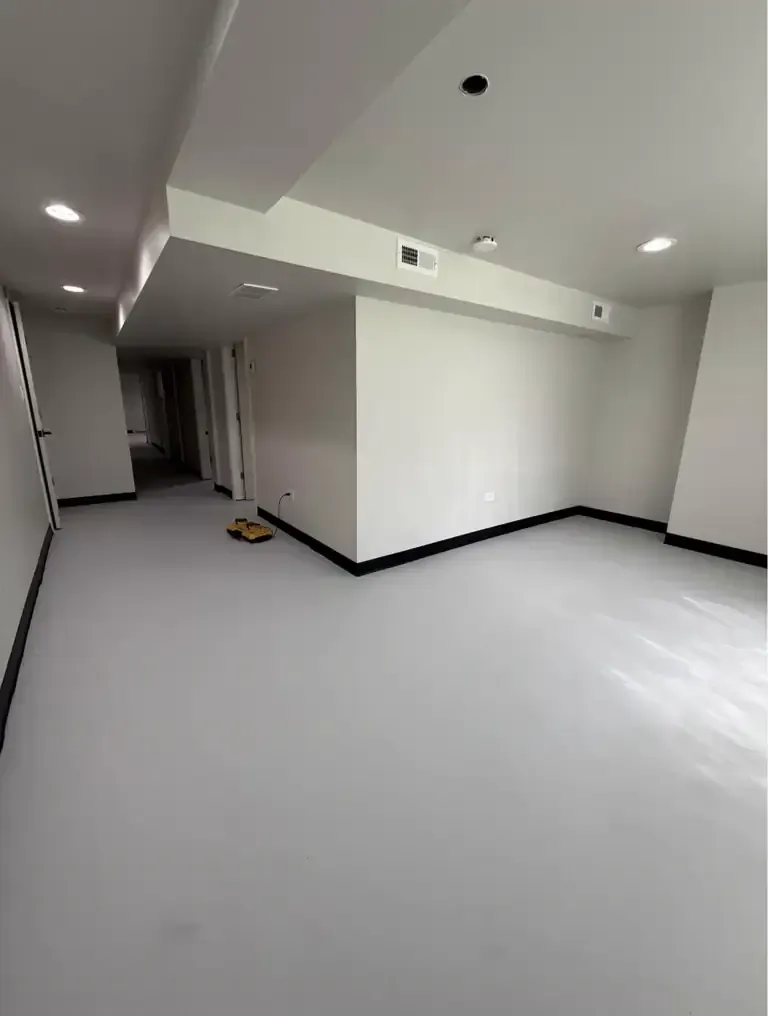
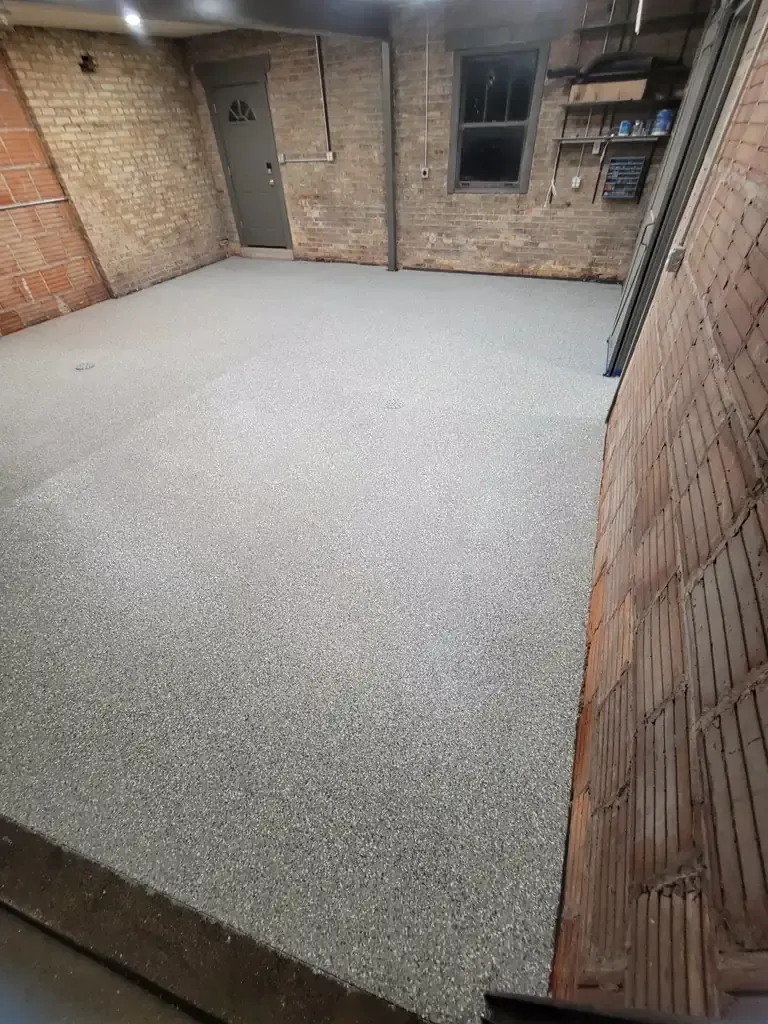
Brick cellars and older homes
Old cellars, new floors.
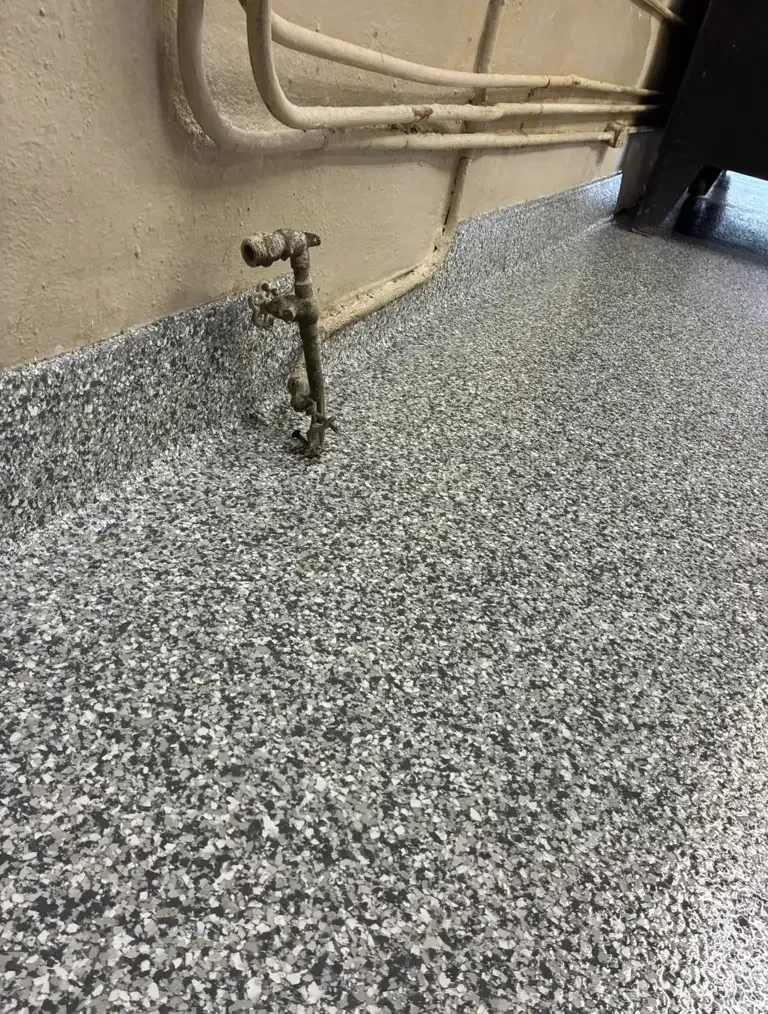
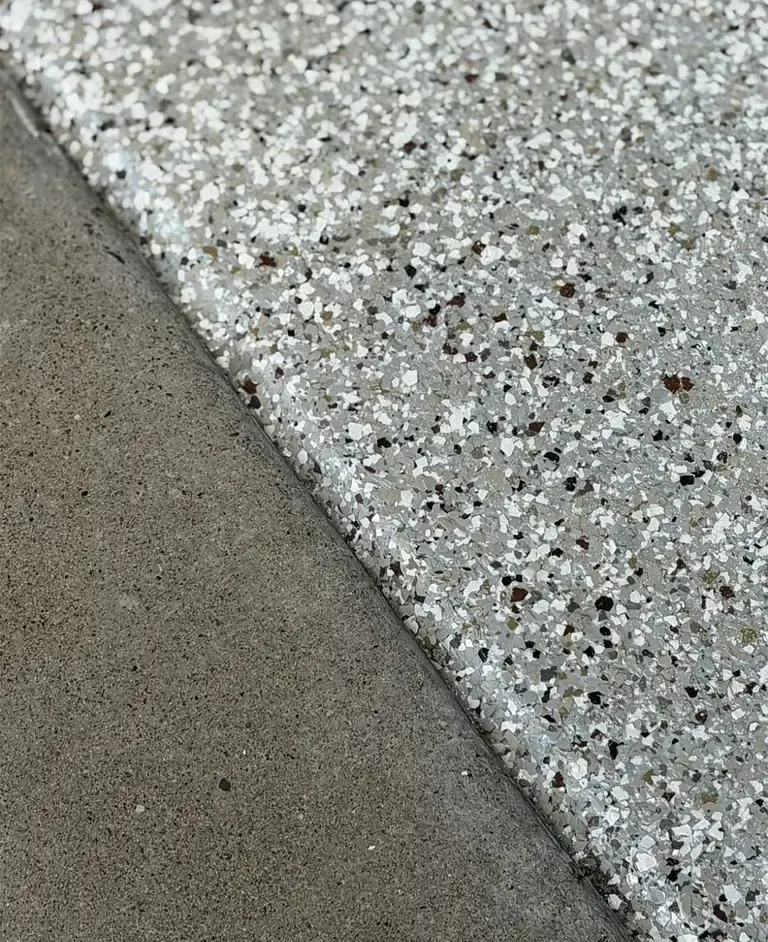
Brick-walled cellars and older Chicago basements are some of our favorite projects. Uneven, worn and previously painted slabs are ground back to sound concrete, repaired, and finished in flake, so the room becomes usable space instead of storage.
Cost
What it costs.
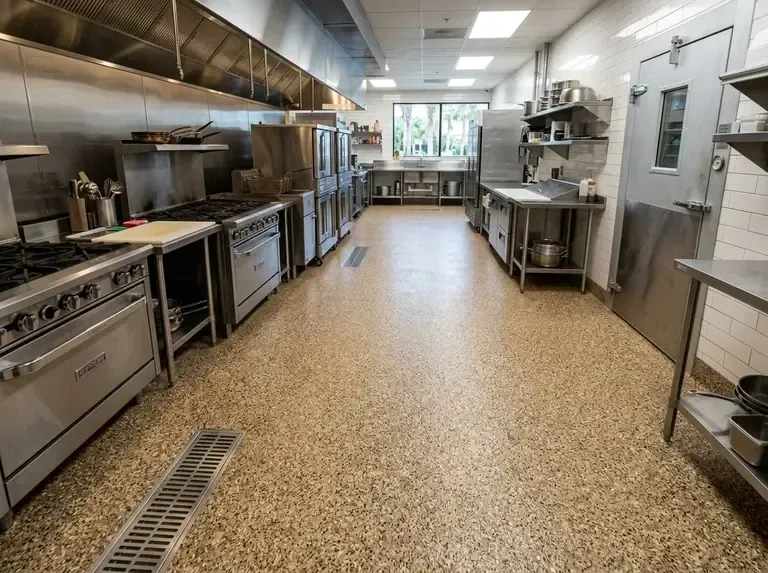
Basements are priced around moisture, square footage and the finish you choose. Every estimate includes the prep and the top coat your floor actually needs.
Every price is all-in with surface prep, base coat and top coat, and your free estimate gives you the exact figure. Per-square-foot ranges for each system are in our cost guide.
Questions
Straight answers.
Still deciding? Call or text (224) 321-2395 and talk to the people who will actually do the work.
Is epoxy a good option for an older or damp basement?
Yes, often more so than in a newer home. Many bungalow-belt basements were built with little or no moisture barrier, and Chicago summers regularly push humidity above 70%. A properly sealed epoxy floor gives that concrete a barrier it likely never had. Active water intrusion has to be fixed before any coating goes down.
Will my basement epoxy floor turn yellow without sunlight?
It can. Ordinary indoor lighting yellows epoxy over time too, so interior floors still need a UV-resistant top coat: polyaspartic, or a thinner UV-resistant top coat that is more budget-friendly across a larger area.
Which finish is best for a basement?
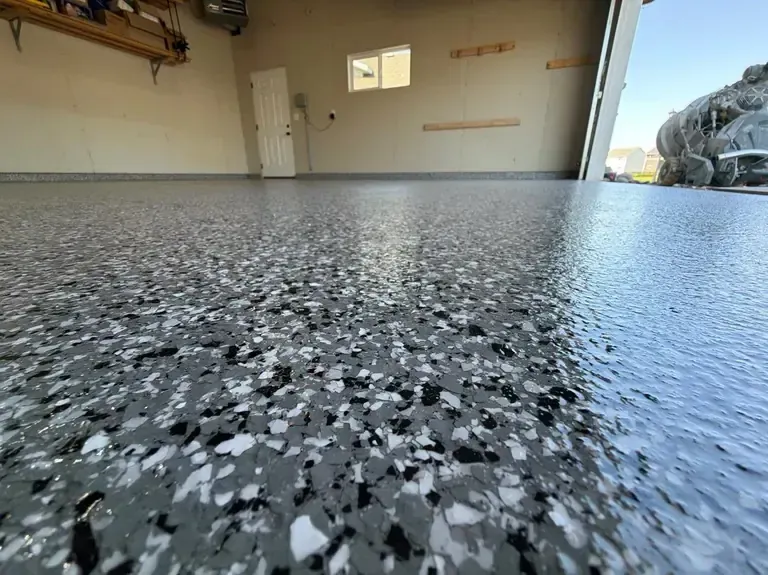
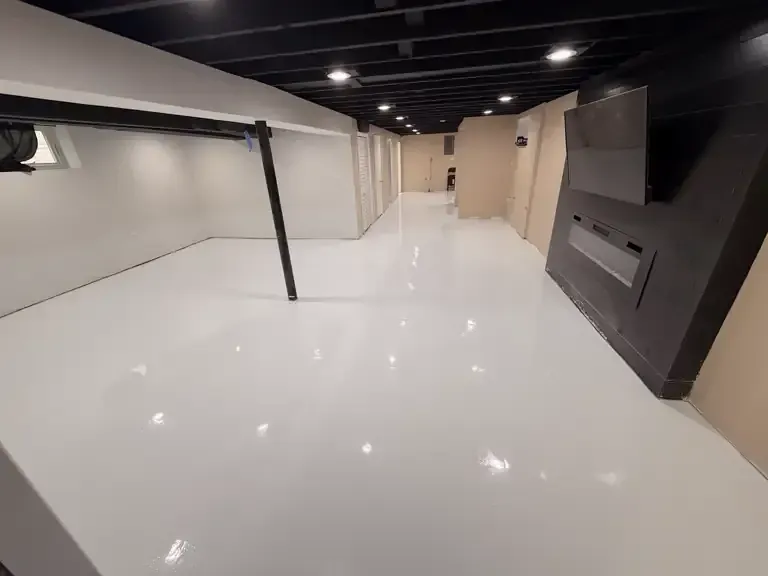
Flake is the most popular because it hides wear and adds grip. Lighter flake blends and white metallic floors brighten a dark basement, and solid color suits utility rooms.
Can you coat a basement with an old coating or sealer on it?
In most cases the old coating or sealer has to come off first. We identify what is on the slab at the inspection, grind it off mechanically, repair the concrete and build the new system from bare, profiled concrete.
Related
Keep exploring.
Basement floors
A basement floor that handles Chicago humidity
Basement epoxy flooring seals the slab, brightens the room and gives you a floor you can mop. Chicago basements bring moisture, old adhesives and patched concrete, so every basement floor coating we install starts with moisture testing and diamond grinding.
Flake epoxy is the practical choice for storage, laundry and workshop areas. Metallic epoxy or a solid color suits a finished basement, rec room or home gym. Both are sealed with a clear top coat that resists stains and wipes clean.
We coat basements across Chicago, Schaumburg, Arlington Heights, Elgin and Naperville, and we price every basement from a free on-site assessment.